
A Familiar Odor With a Hidden Message
Many homes develop a distinct smell over time. It is often described as musty, stale, dusty, or simply “like an old house.” While some people assume it is just part of aging, that odor usually points to specific conditions inside the home. In most cases, the smell is a sign that moisture, poor ventilation, or long-term buildup is affecting the indoor environment.
The good news is that the source can usually be identified and corrected.
Moisture Is the Most Common Culprit
In the humid Gulf Coast climate, excess moisture is the leading cause of persistent old house odors. Even a small amount of dampness in crawl spaces, attics, walls, or under flooring can create a musty smell that gradually spreads throughout the home.
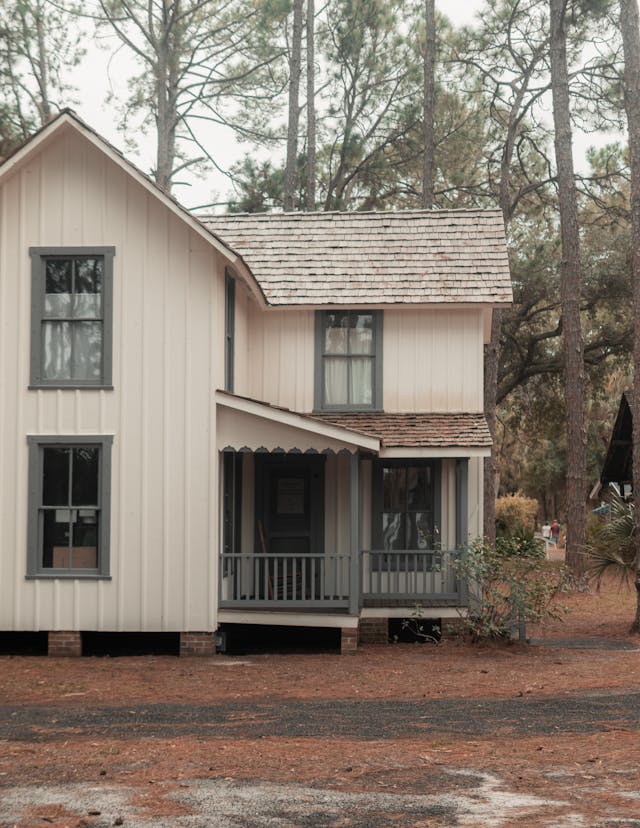
When materials such as wood, insulation, and drywall absorb moisture, they begin to trap odors and may support mold or mildew growth. The smell often becomes more noticeable after rain or during periods of high humidity.
Common moisture sources include:
- Crawl space humidity
- Roof leaks
- Plumbing leaks
- Condensation around HVAC systems
- Poor drainage around the foundation
Dust and Years of Absorbed Odors
Older homes have a way of holding onto smells. Carpeting, curtains, insulation, and even wood framing can absorb odors from cooking, tobacco, pets, and everyday living over many years.
Dust buildup inside ductwork and behind walls can also contribute to a stale smell. When the heating or cooling system runs, those trapped odors are circulated throughout the home.
In some houses, the smell is strongest when the home has been closed up for several days.
Ventilation Plays a Major Role
Homes need a steady exchange of indoor and outdoor air. When ventilation is limited, humidity and odors become trapped inside. Bathrooms, kitchens, laundry rooms, and attics are especially prone to this problem.
Older homes may have insufficient exhaust systems, while newer homes can be tightly sealed and hold moisture if not properly ventilated.
When Mold May Be Involved
A musty odor does not always mean visible mold is present, but it should never be ignored. Mold often grows in hidden areas such as beneath flooring, inside wall cavities, or in crawl spaces.
If the smell persists despite cleaning and dehumidifying, a more thorough evaluation may be needed to locate concealed moisture problems.
How to Get Rid of the Smell
Eliminating the odor requires addressing the underlying cause rather than masking it with air fresheners.
Helpful steps include:
- Reducing indoor humidity
- Repairing leaks promptly
- Improving ventilation
- Cleaning HVAC components
- Replacing water-damaged materials
- Encapsulating damp crawl spaces when necessary
What the Smell Really Means
That classic old house smell is rarely just about age. More often, it is a sign that moisture, limited airflow, and accumulated contaminants are affecting the home. Identifying the source early can improve indoor air quality, protect building materials, and help the house feel cleaner, healthier, and more comfortable year-round.