
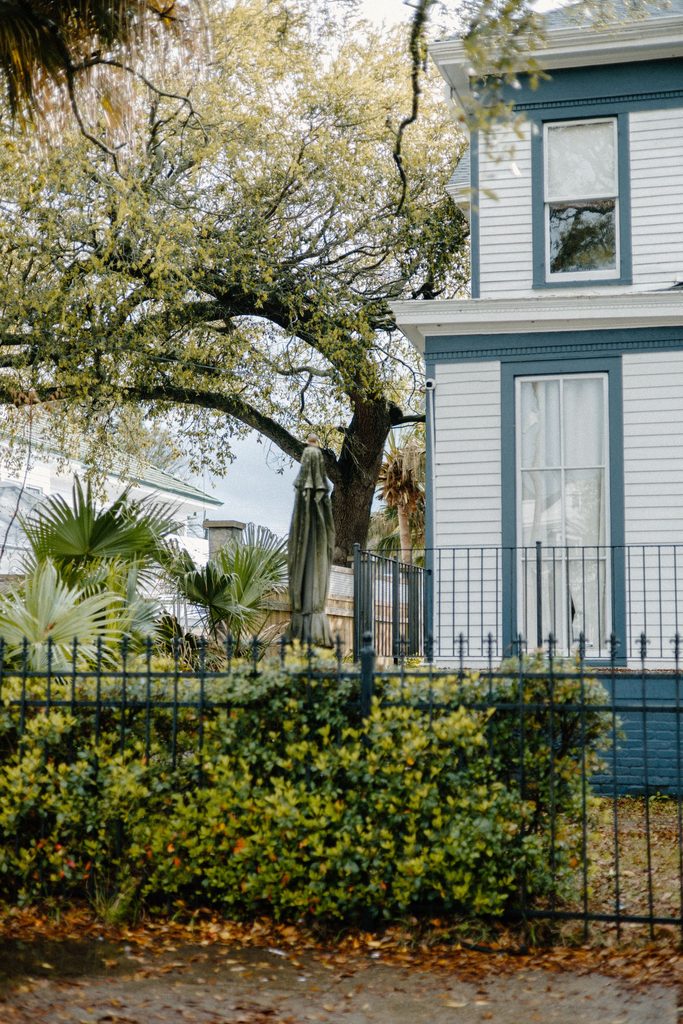
There is a big difference between buying an old house and buying a house that has been neglected. The two can look similar at first glance, but what is happening beneath the surface may be very different.
For homebuyers, understanding that difference can prevent some expensive surprises after closing.
Age Doesn’t Tell the Whole Story
An older home is simply a home that has been around for a while. It may have original features, older windows, aging plumbing, or a roof that has seen plenty of Mississippi weather. None of those things automatically mean the house has been poorly maintained.
In fact, some older homes are remarkably well cared for.
You may find an older house with a newer roof, properly maintained heating and cooling equipment, updated electrical components, good drainage, and evidence that repairs were made when they were needed. It may not look new, but it can still be a perfectly serviceable home.
A house can be old without being in poor condition.
Neglect Is About Maintenance
Neglect is different because it involves problems that have been allowed to sit without proper attention.
Look for clues such as deteriorated exterior materials, damaged roofing, leaking faucets or pipes, missing caulk, damaged wood, standing water, excessive moisture, or vegetation growing too close to the house.
One issue may not tell the whole story. Several maintenance problems appearing together can suggest that routine care has been put off for quite some time.
And that is when a buyer should slow down and take a closer look.
Small Problems Can Become Expensive Ones
Homes are systems, and one problem can sometimes lead to another.
For example, water that is not directed away from the house can contribute to moisture problems. A plumbing leak that goes unnoticed can damage surrounding materials. Failed seals around windows or doors can allow water to enter where it shouldn’t.
In Southern Mississippi, moisture deserves particular attention. Warm, humid conditions and periods of heavy rainfall can be hard on building materials when drainage, ventilation, roofing, and exterior maintenance are not keeping up.
What appears to be a simple stain, soft spot, or patch may have a much longer story behind it.
What Should Buyers Look For?
Don’t focus solely on how old the house is. Look for evidence of care.
During a showing, pay attention to:
- The condition of the roof and visible flashing
- Water stains on ceilings or walls
- Soft, damaged, or deteriorated wood
- Grading and drainage around the foundation
- Plumbing leaks and signs of previous leaks
- The condition of electrical components
- Damaged siding, trim, windows, or doors
- Signs of repeated patching or unfinished repairs
A home inspection provides a much closer look at these areas and can help identify conditions that are easy to overlook during a walkthrough.
The Important Question Isn’t “How Old?”
When buying a home, the better question isn’t simply, “How old is this house?”
Ask instead, “How well has this house been maintained?”
An older home that has received consistent care may be a much better purchase than a newer property where repairs have been postponed.
Age is a number. Maintenance tells the real story.
Understanding that distinction gives buyers a clearer picture of what they are actually purchasing, what may need attention, and whether the home fits comfortably within their budget.
And before signing on the dotted line, knowing what you’re buying is always worth the extra time and attention.