In recent years, eco-friendly home upgrades have become more common as homeowners look for ways to reduce energy use, lower utility bills, and lessen their environmental impact. Features such as solar panels, upgraded insulation, efficient windows, and smart HVAC systems can add value and comfort to a property. During a home inspection, these improvements are evaluated just like any other system in the house—with attention to safety, functionality, and proper installation.
A home inspection does not measure how “green” a home is overall, but it does examine the condition and performance of the systems that contribute to efficiency.
Solar Panels and Renewable Energy Systems
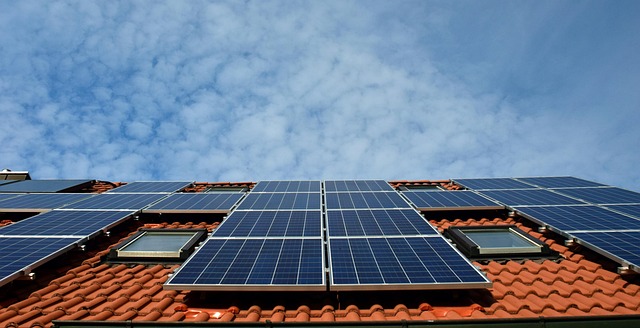
Solar panels are one of the most noticeable eco-friendly upgrades. During an inspection, the focus is typically on visible installation quality and any potential impacts on the roof structure. Mounting hardware should be secure, flashing should be properly installed to prevent leaks, and roof coverings around the system should remain in good condition.
Inspectors generally do not test the electrical output of solar panels, but they will note visible wiring conditions, inverter placement, and whether the system appears professionally installed. Documentation from the installer or manufacturer can also be helpful for buyers reviewing the system later.
Energy-Efficient Windows and Doors
Upgraded windows and doors often improve energy efficiency and comfort. During an inspection, these components are checked for normal operation, proper sealing, and overall condition. Double-pane or low-emissivity (Low-E) windows may be noted as a positive feature.
However, even efficient windows must still function correctly. Inspectors look for issues such as damaged seals, condensation between panes, broken hardware, or gaps that could allow air or moisture intrusion.
Insulation and Air Sealing Improvements
Improved insulation is another common upgrade. In attics and accessible wall areas, inspectors look at insulation levels, coverage, and installation quality. Even when high-efficiency materials are used, problems like compressed insulation, gaps, or blocked ventilation can reduce performance.
Air sealing improvements—such as sealed attic penetrations or weatherstripping—may also be noted if visible. These upgrades can help maintain indoor comfort and reduce energy loss when installed properly.
High-Efficiency HVAC Systems
Modern heating and cooling systems are often designed to use less energy while maintaining consistent indoor temperatures. During an inspection, the HVAC system is operated when conditions allow, and the focus remains on basic functionality and visible condition.
Inspectors check for proper installation, adequate airflow, clean components, and safe operation. Even high-efficiency systems require routine maintenance, so issues like dirty filters, blocked condensate lines, or aging equipment can still appear in the report.
Smart Home and Energy Monitoring Devices
Smart thermostats, energy monitors, and automated lighting systems are becoming increasingly popular. These devices may be noted during an inspection, but they are generally considered convenience features rather than core structural components.
Inspectors typically verify that permanently installed devices appear functional, though full testing of software or network connectivity is usually outside the scope of a standard inspection.
The Bottom Line
Eco-friendly upgrades often perform well in a home inspection when they are professionally installed and properly maintained. While these features can enhance efficiency and appeal, they are still evaluated based on the same fundamentals as any other home component: safety, durability, and correct installation.
For buyers and homeowners alike, the key takeaway is simple. Green upgrades can be a great investment, but like every part of a home, they work best when quality materials, skilled installation, and regular maintenance come together.