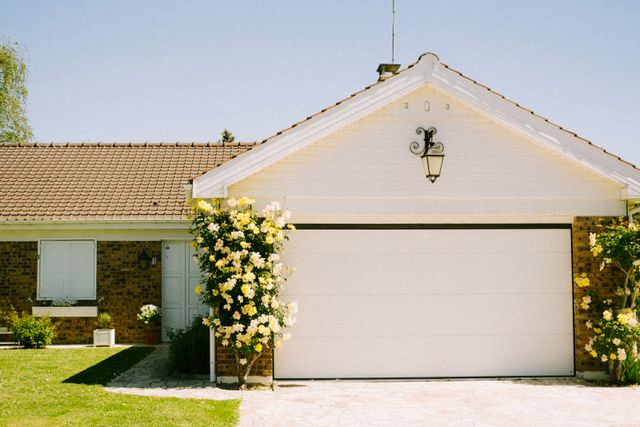
The garage often becomes the hardest-working space in the house. It stores vehicles, tools, lawn equipment, seasonal decorations, and everything in between. Yet it is also one of the most overlooked areas when it comes to routine maintenance. That is especially true when the garage shares a wall or ceiling with the living space. A few minutes spent inspecting this area can help prevent safety hazards and costly repairs down the road.
Start with the Garage Door
The largest moving object in most homes deserves a little attention. Open and close the door while listening for unusual grinding, squeaking, or jerking motions. The tracks should be secure and free of debris, while the rollers and hinges should appear in good condition.
Don’t forget the automatic reverse feature. Place a small object such as a block of wood beneath the door and close it. The door should reverse upon contact. Also test the photo-eye sensors by waving an object through the beam while the door is closing. These simple checks can make a significant difference in preventing accidents.
Look Up and Around
Take a moment to inspect the ceiling and walls for water stains, cracks, or signs of pests. Small issues often provide early warning of larger problems developing behind the scenes. If there is attic access through the garage, confirm that the opening is secure and the surrounding area shows no evidence of moisture intrusion.
Lighting also deserves attention. Replace burned-out bulbs and ensure fixtures are firmly attached. A well-lit garage reduces trip hazards and makes routine tasks much safer.
Pay Attention to Fire Separation
An attached garage is designed to help separate potential hazards from the living areas. Inspect the wall and ceiling surfaces for large holes, damaged drywall, or gaps around pipes and wiring. Openings should be properly sealed because they can allow smoke or fire to spread more quickly than intended.
The door connecting the garage to the home should close completely and latch securely. Damaged weatherstripping or modifications that prevent proper closing should be addressed promptly.
Keep Storage Safe and Organized
Heavy items should be stored on sturdy shelving, with the heaviest objects placed lower to reduce tipping risks. Flammable liquids such as gasoline, paint thinners, and certain chemicals should be stored in approved containers and kept away from ignition sources like water heaters or furnaces.
Extension cords are helpful for temporary use but should never become permanent wiring solutions. Check for frayed cords or overloaded outlets and correct them before they become hazards.
Small Checks, Big Benefits
Garage inspections do not require specialized equipment or hours of work. A careful walk-through every few months can uncover maintenance needs before they become expensive repairs or serious safety concerns. When one of the busiest spaces in the home receives regular attention, the entire house benefits from a safer and better-maintained environment.