
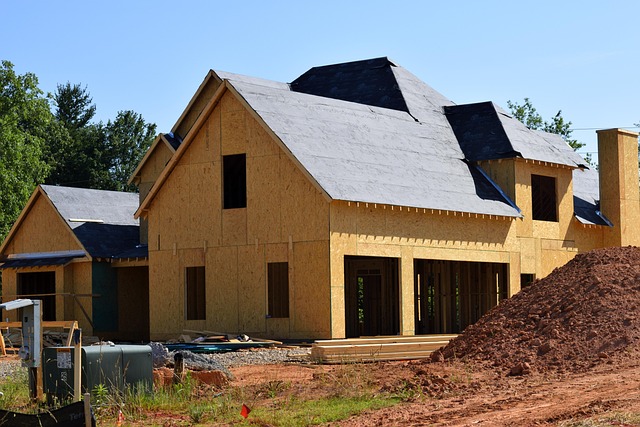
Modern homes are impressive on the surface. Open floor plans, energy efficiency, smart technology, and faster build times make today’s houses more appealing than ever. But beneath the drywall and behind the trim, some hidden fire hazards are becoming increasingly common in newer construction. These risks often go unnoticed until a problem arises, which is why they deserve closer attention.
One of the biggest contributors is the heavy reliance on engineered and lightweight materials. While these products are cost-effective and structurally sound when installed correctly, they behave very differently in a fire than traditional solid lumber. Lightweight trusses and I-joists can fail much faster under high heat, giving occupants and firefighters less time to react. This is especially concerning in homes with large, open attic spaces where fire can spread rapidly.
Electrical systems are another frequent source of concern. Modern homes use more electricity than ever before, powering everything from charging stations to smart appliances. In some cases, wiring is installed quickly to meet tight construction schedules, increasing the risk of loose connections, overloaded circuits, or improper terminations. Arc faults, which can ignite surrounding materials without tripping a breaker, are a growing issue when workmanship falls short.
Insulation choices also play a role. Spray foam insulation, now widely used for its energy efficiency, can pose a fire risk if it is improperly applied or left exposed where a thermal barrier is required. While safe when installed correctly, mistakes can allow heat buildup or provide fuel if a fire starts elsewhere in the home.
Another often-overlooked hazard is poor fire separation. Garages are a common problem area. Gaps around door frames, unsealed penetrations for plumbing or wiring, and missing fire-rated drywall can allow flames and toxic smoke to move quickly into living spaces. The same applies to attic access points and utility chases that should be properly sealed but sometimes are not.
Finally, the push for tighter, more energy-efficient homes can unintentionally increase risk. Homes that don’t breathe well can trap heat and smoke, allowing conditions to worsen faster during a fire. Without proper ventilation design, a small incident can escalate quickly.
New construction doesn’t automatically mean safer construction. While building codes have improved, real-world installation quality still matters. Regular inspections, even on brand-new homes, help identify these hidden fire hazards early. Awareness is the first step in prevention, and understanding what’s behind the walls can make all the difference when it comes to protecting lives and property.