
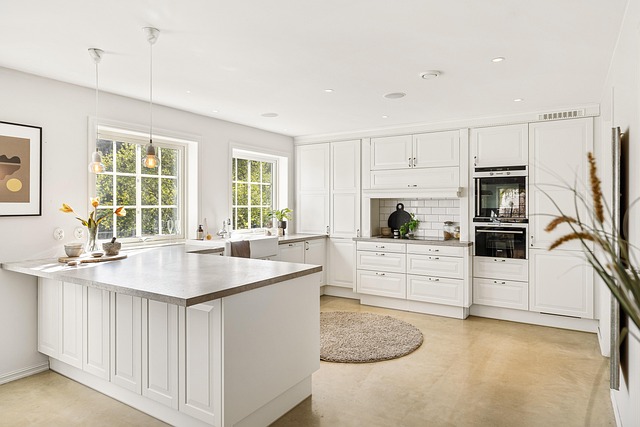
Introduction
A kitchen countertop is more than a design feature. It is a working surface that must perform reliably every day. The right choice supports food preparation, cleaning, and long-term durability. Poor selection often leads to stains, cracks, or premature replacement. Careful evaluation helps homeowners protect both function and investment.
Assess Daily Kitchen Activity
The first step is understanding how the kitchen is actually used. Some households cook frequently and prepare meals daily. Others use the kitchen primarily for light tasks. Therefore, countertops must match activity levels. Heavy use demands surfaces that resist heat, impact, and scratching. Light-use kitchens allow more flexibility in material selection. Practical use should always guide early decisions.
Choose Materials Built for Wear
Kitchen countertops experience constant exposure to moisture, temperature changes, and physical stress. Because of this, material strength matters greatly. Natural stone and engineered surfaces offer long service life. Softer materials may show wear sooner. Therefore, homeowners should consider how a surface will perform after years of use. Durable materials reduce repair needs and preserve appearance.
Understand Maintenance Responsibilities
Every countertop material requires some level of care. However, maintenance demands vary significantly. Some surfaces need periodic sealing. Others clean easily with basic household products. Therefore, homeowners should consider realistic maintenance habits. Choosing a surface that matches care expectations helps avoid damage and frustration. Low-maintenance options often provide better long-term satisfaction.
Factor in Local Environmental Conditions
Climate plays a role in countertop performance. Humidity, temperature changes, and sunlight exposure affect certain materials. Porous surfaces may absorb moisture if not protected. Wood products require proper sealing to prevent movement. Stone benefits from routine care in humid environments. Selecting materials suited to local conditions helps prevent deterioration.
Balance Appearance With Longevity
Visual appeal is important, but longevity matters more. Trend-driven designs may feel outdated quickly. Neutral tones and classic finishes tend to age better. Therefore, countertops should complement the overall kitchen design without overpowering it. A balanced appearance supports long-term enjoyment and resale value.
Establish a Realistic Budget
Countertop costs include material, fabrication, and installation. While initial price matters, long-term value should guide spending. Cheaper materials may require earlier replacement. Higher-quality options often last decades. Therefore, evaluating cost over time provides better perspective. Professional installation also protects the investment.
Compare Common Countertop Options
Granite provides natural beauty and strength. Quartz offers consistency and low maintenance. Laminate delivers affordability and design variety. Solid surface materials allow repair without visible seams. Butcher block provides warmth but needs regular care. Each option serves different needs. Understanding strengths and limitations supports informed decisions.
Prioritize Proper Installation
Even the best material can fail if installed incorrectly. Adequate support, proper fastening, and correct seams matter greatly. Professional installers reduce the risk of cracking or movement. Warranties and workmanship guarantees provide added protection.
Conclusion
Selecting a kitchen countertop requires thoughtful planning. Usage, durability, maintenance, environment, and budget all play critical roles. Reviewing samples in the actual space helps confirm choices. A well-selected countertop delivers reliable performance, lasting appearance, and long-term value.