
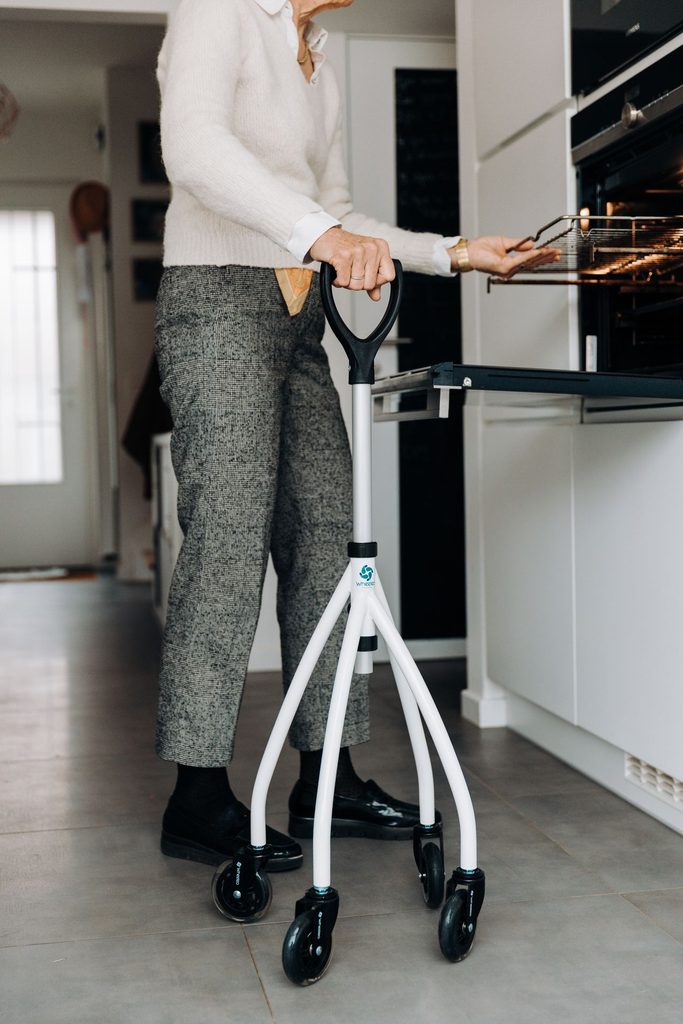
The kitchen is one of the busiest rooms in any home, but it can become challenging to navigate as mobility, balance, strength, or vision changes. Fortunately, making a kitchen safer and more accessible doesn’t always require a complete renovation. A few well-planned modifications can improve everyday comfort, reduce hazards, and help older adults and people with limited mobility maintain their independence.
Start With a Safer Layout
Clear pathways are essential. Remove unnecessary furniture, loose floor mats, and clutter that could cause trips or obstruct a walker or wheelchair. Where possible, provide wider routes between cabinets, appliances, and work surfaces.
Pay particular attention to flooring. Smooth, stable, slip-resistant surfaces are preferable to glossy finishes or uneven materials. Changes in floor height should be minimized, and transitions should be secure and easy to navigate.
Make Cabinets and Countertops More Accessible
Reaching high shelves or bending into deep lower cabinets can create unnecessary strain. Consider replacing difficult-to-reach storage with pull-out drawers, sliding shelves, and full-extension organizers. Frequently used dishes, cookware, and pantry items should be stored within comfortable reach.
Lowering selected countertops or creating a seated work area can make food preparation easier for someone who cannot stand for extended periods. If a wheelchair user will use the space, knee clearance beneath the work surface may also be necessary.
D-shaped cabinet handles and lever-style hardware are often easier to operate than small knobs, particularly for people with reduced grip strength.
Choose Appliances With Safety in Mind
Appliance placement matters just as much as appliance selection. Side-opening ovens, front-control cooktops, and refrigerators with accessible shelving may reduce reaching and awkward movements.
A microwave positioned at a comfortable height can be safer than one installed overhead. Avoid placing frequently used appliances where hot food or liquids must be lifted across a walkway.
For cooktops, consider models with clear indicators and automatic shutoff features where appropriate. Always follow manufacturer installation requirements and applicable electrical and fire-safety codes.
Improve Lighting and Reduce Fall Risks
Good lighting helps prevent accidents and makes kitchen tasks easier. Add under-cabinet lighting to illuminate countertops, improve general room lighting, and use switches that are easy to locate and operate. Contrasting colors between countertops, cabinets, and flooring can also help people with reduced vision distinguish surfaces and edges.
Keep electrical cords away from walking routes, clean spills promptly, and ensure frequently used items don’t have to be retrieved from the floor.
Don’t Overlook Support and Stability
Properly installed grab bars or support rails may help with balance near designated work areas, provided they’re positioned for the user’s needs and anchored securely to suitable structural backing. Never use standard towel bars as weight-bearing supports.
Before starting a renovation, assess the individual’s specific mobility needs and consider consulting an occupational therapist or qualified accessibility professional.
The Bottom Line
An accessible kitchen is a safer, more functional kitchen. By improving circulation, storage, lighting, and appliance access, homeowners can make everyday tasks easier while preparing the home for changing needs. The best modifications are those that address real hazards today and support comfortable, independent living for years to come.