Fire Damage Isn’t Always Visible
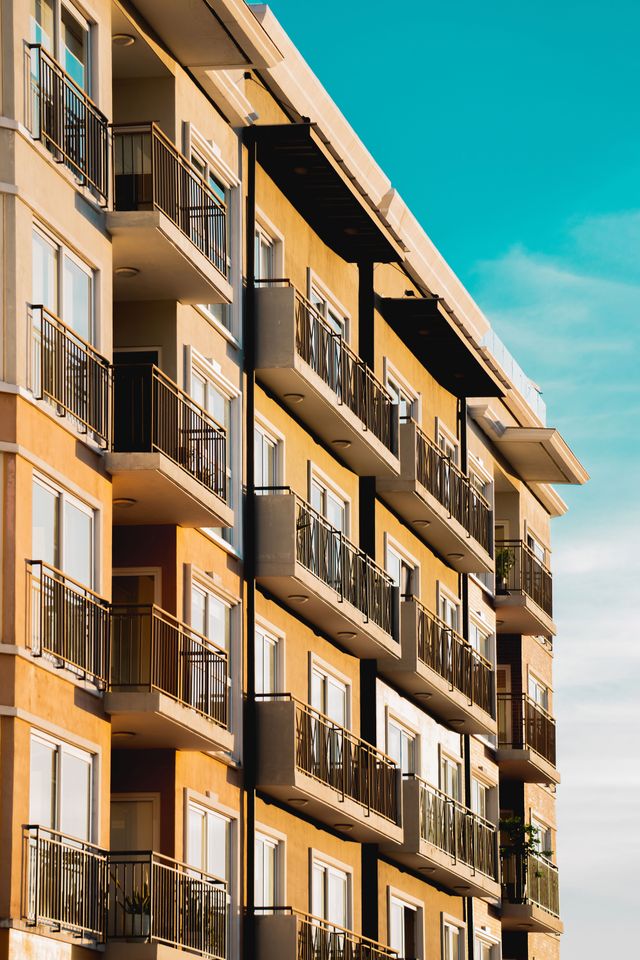
When a fire breaks out in an apartment building, most attention naturally focuses on the units directly touched by flames. However, apartments that never caught fire can still experience significant damage that isn’t immediately obvious. Smoke, heat, moisture, and airborne contaminants have a remarkable ability to travel throughout a building, often leaving lasting effects well beyond the fire’s point of origin.
A unit may appear untouched at first glance, but appearances can be misleading. Understanding the hidden consequences is an important step toward protecting both the property and the people living inside it.
Smoke Finds Every Opening
Smoke is made up of tiny particles and gases that easily move through ventilation systems, electrical outlets, gaps around plumbing, and even beneath doors. Once inside an apartment, these particles settle onto walls, ceilings, flooring, furniture, clothing, and personal belongings.
Beyond the lingering odor, smoke residue can discolor surfaces, stain fabrics, and leave behind acidic compounds that gradually damage finishes, electronics, and metal components if they are not properly cleaned.
Heat Can Affect More Than Flames
Intense heat doesn’t need to enter an apartment directly to cause problems. High temperatures within a building can stress construction materials, causing drywall joints to crack, wood framing to expand and contract, and certain plastics to warp.
Electrical wiring, insulation, and mechanical systems may also experience heat-related deterioration that isn’t visible during a casual walk-through. Even if everything appears normal, hidden components deserve careful evaluation following a significant fire event.
Water Can Create a Second Wave of Damage
Extinguishing a fire often requires thousands of gallons of water. That water doesn’t always stay confined to the apartment where the fire started. It can travel through ceilings, wall cavities, and floor assemblies before appearing in neighboring units.
Moisture trapped behind finished surfaces creates ideal conditions for mold growth, wood swelling, and deterioration of building materials. Prompt drying and thorough moisture assessment help reduce the risk of long-term structural and indoor air quality issues.
The Air May Need Attention Too
Even after smoke clears, fine particles can remain inside HVAC systems, ductwork, and air filters. Every time the heating or cooling system operates, those contaminants may continue circulating throughout the apartment.
Professional cleaning of ventilation components, along with replacing affected filters, can help restore healthier indoor air and reduce persistent smoke odors.
A Careful Inspection Brings Peace of Mind
After an apartment building fire, relying solely on visible signs of damage can leave important issues undiscovered. Hidden smoke contamination, moisture intrusion, and heat-related damage often require a closer look to identify before they become more expensive problems.
Whether an apartment experienced direct flames or simply shared the same building, a thorough evaluation provides valuable insight into its true condition. Addressing hidden damage early helps preserve the property’s integrity, supports healthier living conditions, and reduces the likelihood of unexpected repairs long after the fire has been extinguished.