
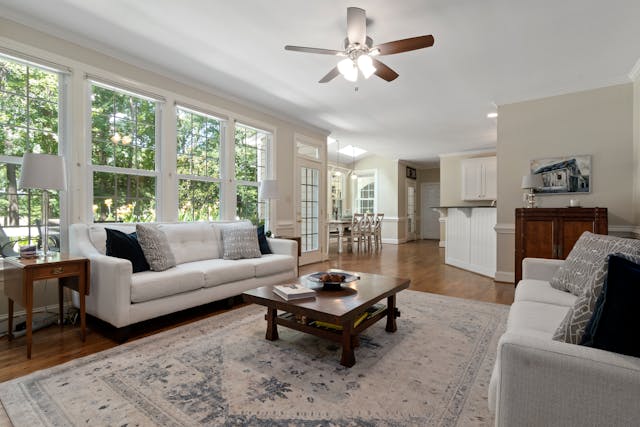
Open concept living has a certain appeal that’s hard to ignore. Fewer walls, more light, and the promise of better flow can make any home feel larger and more connected. But once the dust starts flying, a few less obvious concerns tend to surface—ones that don’t always make it into glossy renovation plans.
Structural Surprises Behind the Walls
Not every wall is just there to divide space. Some are quietly carrying the weight of the home above. Removing a load-bearing wall without proper planning can lead to sagging ceilings, cracked drywall, or worse. Even when a beam is added to compensate, the size and placement of that beam matter. It’s not uncommon to see undersized supports or improper installations that create long-term problems instead of solving them.
HVAC and Airflow Challenges
Walls do more than separate rooms—they help direct air. When they’re removed, heating and cooling systems can struggle to keep up. Large open areas may end up with uneven temperatures, leaving some corners too warm and others too cool. In many cases, existing ductwork wasn’t designed for wide-open spaces, and adjustments are needed to maintain comfort and efficiency.
Electrical and Plumbing Complications
Open up a wall, and you’re likely to find more than studs. Wiring, outlets, switches, and sometimes plumbing lines are often tucked inside. Relocating these systems takes careful planning. It’s not just about moving a light switch—it’s about ensuring everything still meets code and functions safely. Overlooking this step can lead to overloaded circuits or inconvenient layouts that don’t match how the space is used.
Noise Travels Further Than Expected
Open concept living can make a home feel lively, but it also means sound carries more freely. Conversations, televisions, and kitchen activity all blend together. Without walls to contain noise, it’s harder to create quiet areas. This can become especially noticeable in households where different activities are happening at the same time.
Lighting Isn’t Always Simple
With fewer walls, there are fewer places to mount fixtures. What once worked in separate rooms may not provide enough light in a larger, combined space. A thoughtful lighting plan—often including a mix of overhead, task, and accent lighting—is needed to avoid dark spots or overly harsh illumination.
Storage Space Gets Reduced
Walls often double as storage opportunities. Cabinets, closets, and shelving can disappear along with them. Many homeowners don’t realize how much storage they’ve lost until they try to put everything back. Without a plan to replace it, clutter can quickly take over an otherwise open and inviting space.
Permits and Inspections Matter
Skipping permits might seem like a shortcut, but it can lead to complications down the line. Proper approvals ensure that structural changes, electrical work, and other modifications meet safety standards. It also helps avoid issues when it’s time to sell, as unpermitted work tends to raise red flags.
Final Thoughts
Opening up a floor plan can transform a home, but it’s not just about knocking down walls. Paying attention to what’s hidden behind those walls—and how everything works together afterward—makes the difference between a smooth upgrade and a costly headache. A little extra planning upfront goes a long way toward getting the results most homeowners are hoping for.